


How Exercise and Nutrition Can Help Dentists Stay Pain-Free for Longer
Fraser Smith recently joined the Protrusive Dental Podcast to discuss how exercise and nutrition can support a longer, healthier dental career. In the episode, he shares practical advice for dentists dealing with posture-related pain, stiffness, poor mobility and the challenge of fitting exercise into an already busy working week.
The discussion explores EMS training, Reformer Pilates, stretching, strength work, chronic pain prevention, supplements and sustainable nutrition habits. It is an informative conversation for dentists, healthcare professionals and anyone interested in protecting their long-term health while managing a demanding job.
Watch the full interview here:
YouTube: [click here to watch]
Spotify: [click here to listen]
If you would rather read the key takeaways first, here is a full breakdown of the main points covered in the episode.
Watch: How Exercise and Nutrition Can Help Dentists Stay Pain
Why dentists need a fitness plan
Dentistry is physically demanding work. Long hours in fixed positions, repeated forward posture, neck strain and back tension can all build up over time, which is why looking after your body is not just a lifestyle choice, but part of protecting your career.
One of the strongest themes from the conversation was that many dental professionals spend years prioritising patients, family and work, while pushing their own health to the side. Fraser explained that this can become a serious issue in a profession where musculoskeletal pain often appears early, especially in the neck, shoulders and upper back.
He described health as one of the pillars that supports a long and sustainable career. Rather than waiting until pain becomes constant, his advice was to build physical resilience early through regular movement, strength work and mobility training.
A realistic routine for busy dentists
Fraser was careful not to present an unrealistic perfect training plan. Instead, he explained that the right routine depends on the individual, their goals and the time they can genuinely commit each week.
For a busy dentist with children, a full clinical schedule and very little spare time, his advice was to start small. One session a week, even just 20 to 30 minutes, can be a valuable first step. That could mean an EMS session, a short home workout, or a combination of stretching and bodyweight exercises. The important point is to begin with something manageable and build gradually, rather than aiming for an ideal routine that quickly becomes overwhelming.
How EMS fits in
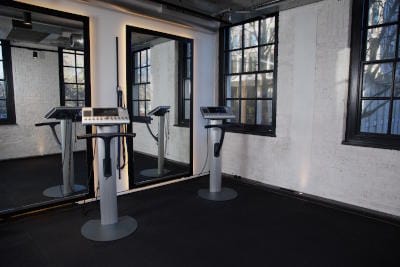
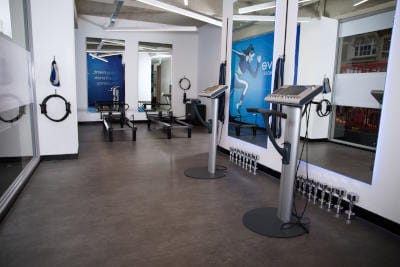
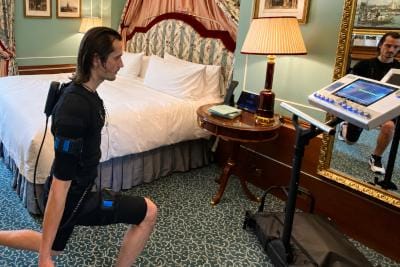
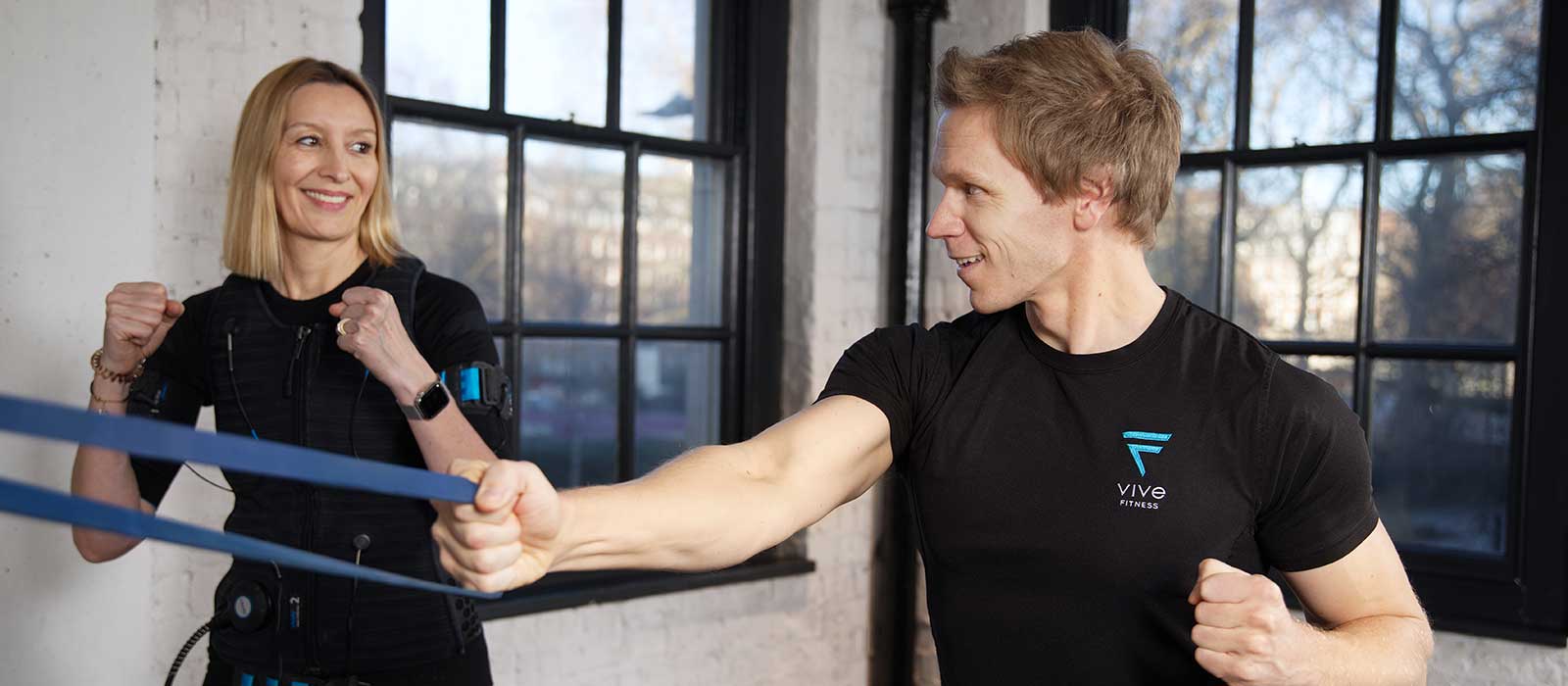
Fraser explained EMS, or electro muscle stimulation, as a guided workout where the muscles receive direct stimulation during movement. In the episode, he describes it as a way to help activate muscles, especially in areas that are weak, stiff or painful, while being guided through functional exercises.
He also made an important distinction that EMS should sit within a broader approach to health where possible. For some people, one EMS session a week may be their starting point and still bring worthwhile benefits such as feeling better, moving more easily and reducing discomfort. For others, it can complement other training, sport and mobility work.
Is Pilates good for dentists?
When asked which type of exercise makes sense for dental professionals, Fraser spoke positively about Reformer Pilates as a practical option for people who feel stiff, spend long hours hunched over, or do not have time for a full gym programme. He described it as a sensible way to balance the body, gently improve strength and increase mobility.
For dentists in particular, that matters because the job often creates tightness through the upper back, shoulders and neck. Fraser’s point was that Reformer Pilates can be a useful base for improving movement and helping to offset some of the physical stress that builds up through clinical work.
What about deadlifts?
Fraser did not dismiss deadlifts for dentists. In fact, he described them as an excellent all-round exercise because they place load through the whole body and recruit many joints and muscle groups at once.
However, he also stressed that deadlifts require good technique and sensible progression. His view was that the movement itself is valuable, but only when performed properly and as part of a broader exercise routine rather than as a standalone fix for postural pain.
Stretches dentists can do between patients
The podcast also covered the day-to-day aches that come from clinical posture. Fraser said short stretching breaks can help relieve tension, especially as an acute response to discomfort, but he framed stretching as temporary relief rather than the whole answer.
His advice focused on reversing the positions dentists spend hours in. That means improving thoracic mobility, adding upper spine rotation, relaxing and moving the shoulders, and using gentle neck retractions, rotations and tilts. In other words, the goal is to counteract the hunched posture and restore movement, while using more structured strength and mobility work to stop the same pain returning.
Why movement matters when pain starts
A particularly useful point from the interview was Fraser’s view that many people misread tightness as a sign they should stop moving altogether. He explained that in many cases, especially with repetitive strain and general stiffness, gentle movement is exactly what helps because it improves blood flow, restores mobility and starts to rebuild strength.
He was also clear that severe pain should be assessed medically. But for the more common pattern of tension and overuse that many dentists experience, his message was to act early, move sensibly and avoid simply hoping the problem will go away on its own.
Chronic pain and career longevity
Another important takeaway was the risk of letting small niggles become chronic. Fraser noted that pain often starts subtly, gets ignored, and then gradually becomes a regular part of daily life. Once pain becomes chronic, it can be harder to resolve and may need a mix of physical rehabilitation and clinical support.
His wider point was that a couple of busy weeks should not shape the rest of a dental career. Investing in strength, endurance, mobility, sleep and recovery early can help reduce the risk of reaching the point where pain limits how long someone can keep working.
Fraser’s approach to nutrition
The nutrition side of the conversation was refreshingly balanced. Fraser did not advocate extreme dieting and said he sits somewhere in the middle rather than following a highly rigid food philosophy. He spoke about having a sound grasp of macronutrients and micronutrients, eating a generally balanced diet, and leaving room for enjoyment rather than chasing perfection.
That moderate view extended to the debate around vegan, carnivore and other highly polarised approaches online. His position was that most people will benefit more from consistency and common sense than from following a strict nutritional identity.
Supplements dentists ask about
Fraser and Jaz also discussed supplements, especially creatine and HMB. Fraser described HMB as something sometimes used clinically to help reduce muscle wastage, and suggested it may be relevant during periods of fasting or poor recovery. He also described creatine as one of the most studied supplements, with potential benefits for strength and muscle function when used sensibly, particularly alongside training.
At the same time, he was careful not to oversell supplements. His message was that they are exactly that, supplements, not magic solutions, and that the bigger wins still come from a well-balanced diet, sufficient protein and regular training.
Protein and practical eating habits
Protein intake was another area Fraser covered in practical terms. Rather than telling listeners to obsessively track every gramme long term, he suggested using short-term tracking only to get a baseline understanding.
His rough guidance was that many active people will do well somewhere around 1 to 1.4 grammes of protein per kilo of bodyweight per day, depending on context. He also pointed out that meeting protein needs is usually easier for people who eat meat, more difficult for vegetarians, and harder still for vegans, although still very achievable with some planning.
The bigger lesson for dentists
The clearest takeaway from Fraser’s interview is that dentists should not treat health as an optional extra to fit in after work is done. Physical resilience is part of doing the job well and doing it for longer.
Whether that starts with one EMS session a week, a Reformer Pilates class, simple mobility work between patients, better sleep habits, or paying more attention to protein and recovery, the message is the same: prioritise your body before pain forces the issue.
If you are a dentist dealing with stiffness, back pain or poor posture, Fraser’s advice is a useful reminder that small, consistent changes can make a real difference. Building strength, mobility and better recovery habits now may help you feel better in the short term and support a longer, healthier career in the years ahead.