You juggle work and family commitments, and finding time for fitness seems almost impossible. Research shows that workouts lasting less than 10 minutes can benefit your health. A 20 minute workout represents the ideal sweet spot. It’s short enough to fit into your lunch break or before breakfast, yet long enough to deliver results.
We’ve compiled 20 expert-designed routines, whether you need a 20 minute hiit workout, strength training, or flexibility work. Each programme targets specific goals and respects your limited time.
Full-Body Bodyweight Workout
Workout Overview
This circuit-style routine targets your upper body, core, legs and glutes at once. The format involves 40 seconds of work followed by brief rest intervals, repeated in circuit fashion. You hit all major muscle groups in succession and reduce the risk of muscle imbalances, which can lead to chronic injuries like tendonitis and ligament issues.
The continuous movement pattern raises your heart rate and strengthens muscles. You get both cardiovascular and strength benefits within a single session. Training with just bodyweight proves powerful, but you can increase difficulty by adjusting your tempo during work periods. You build muscle strength and size when you increase time under tension.
Equipment Needed
Nothing beyond floor space. A mat provides comfort but isn’t essential.
How to Perform
Execute each movement for 40 seconds, followed by 20 seconds rest. Complete all exercises in sequence, then repeat the circuit three times. Focus on performing as many quality reps as possible during each work interval.
Maintaining proper form throughout is the key. Start at a moderate pace and become skilled at each movement before increasing speed. Form falters when you perform reps too fast, especially when you don’t have an instructor to provide alignment cues. Keep your chest proud and squeeze your glutes to pull tension away from your lumbar spine. Brace your core not only during abs-focused movements but throughout your entire workout.
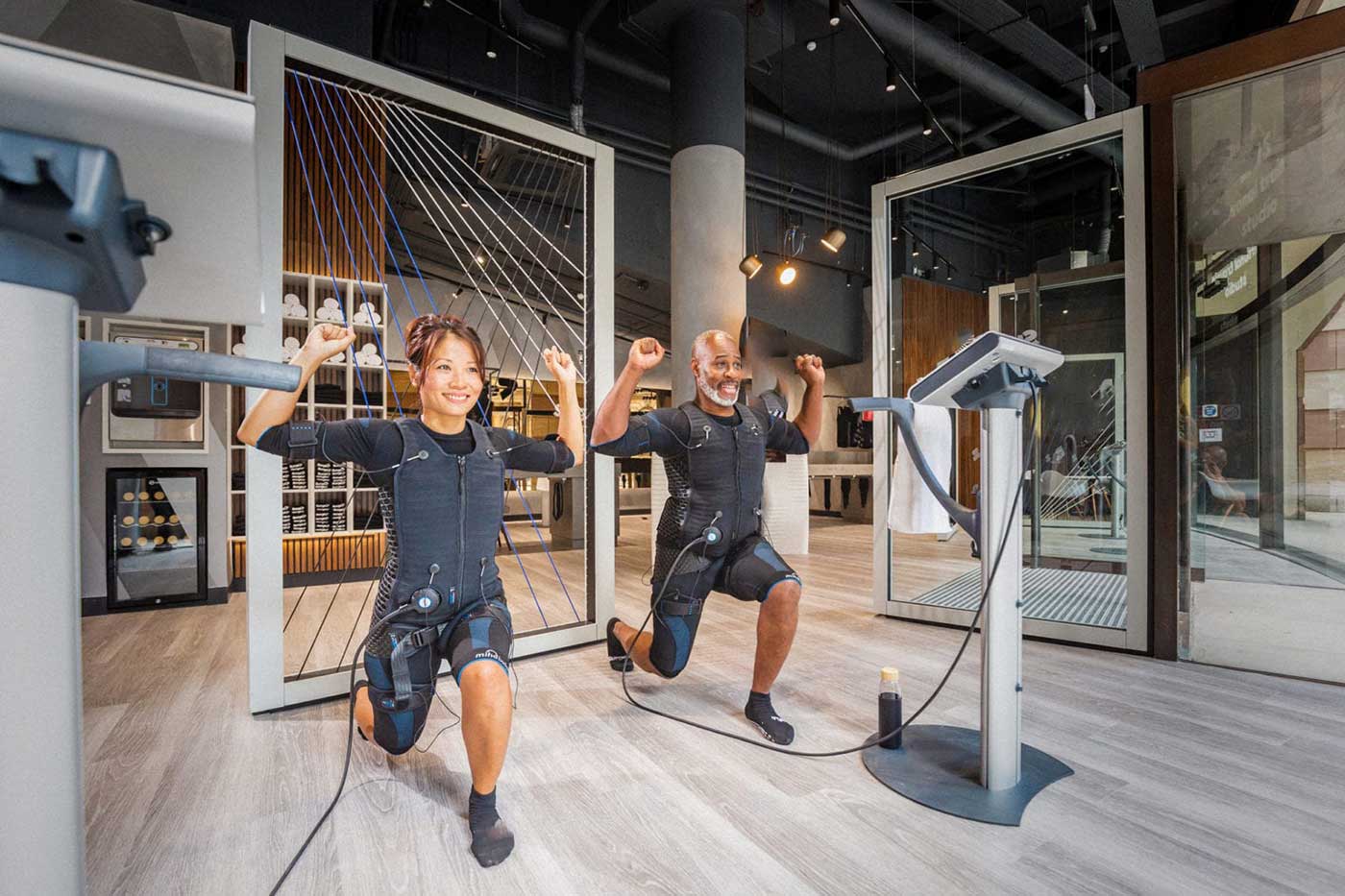
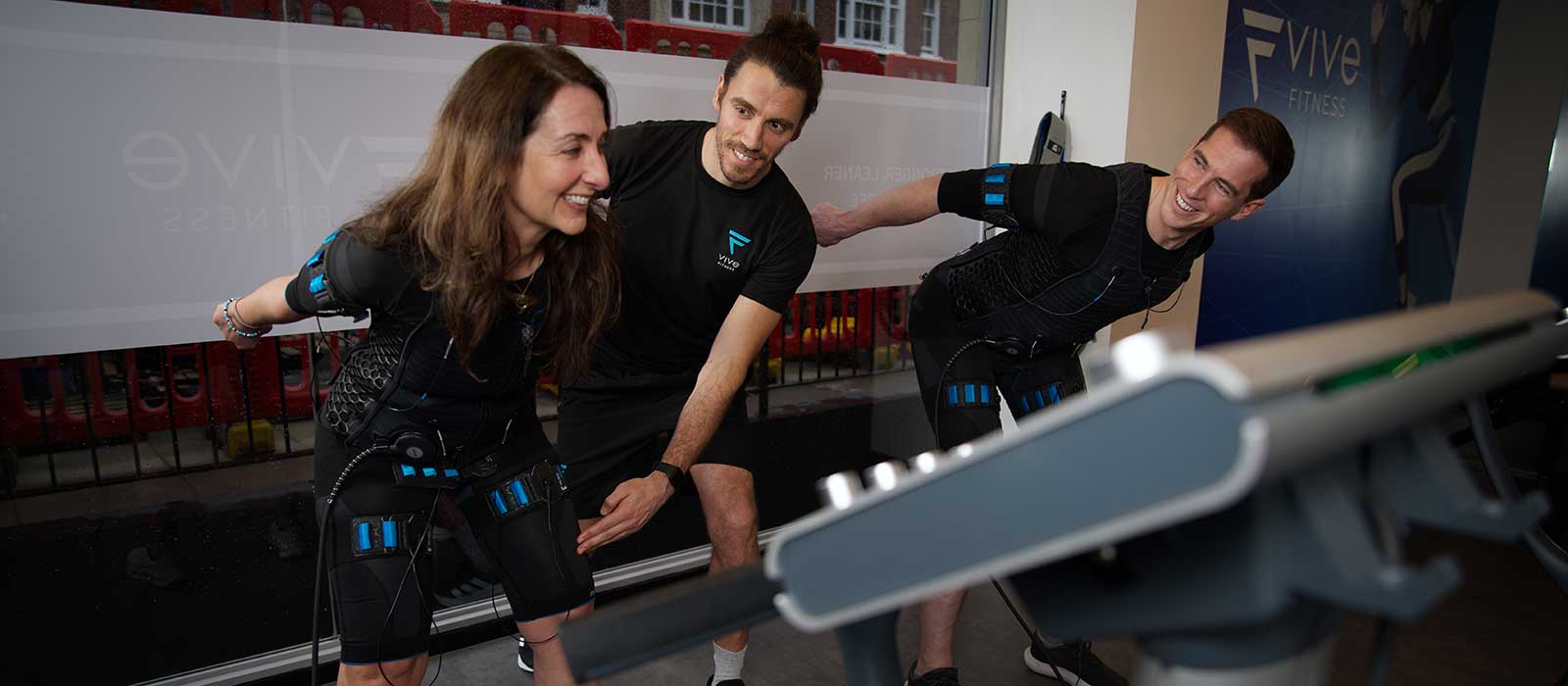
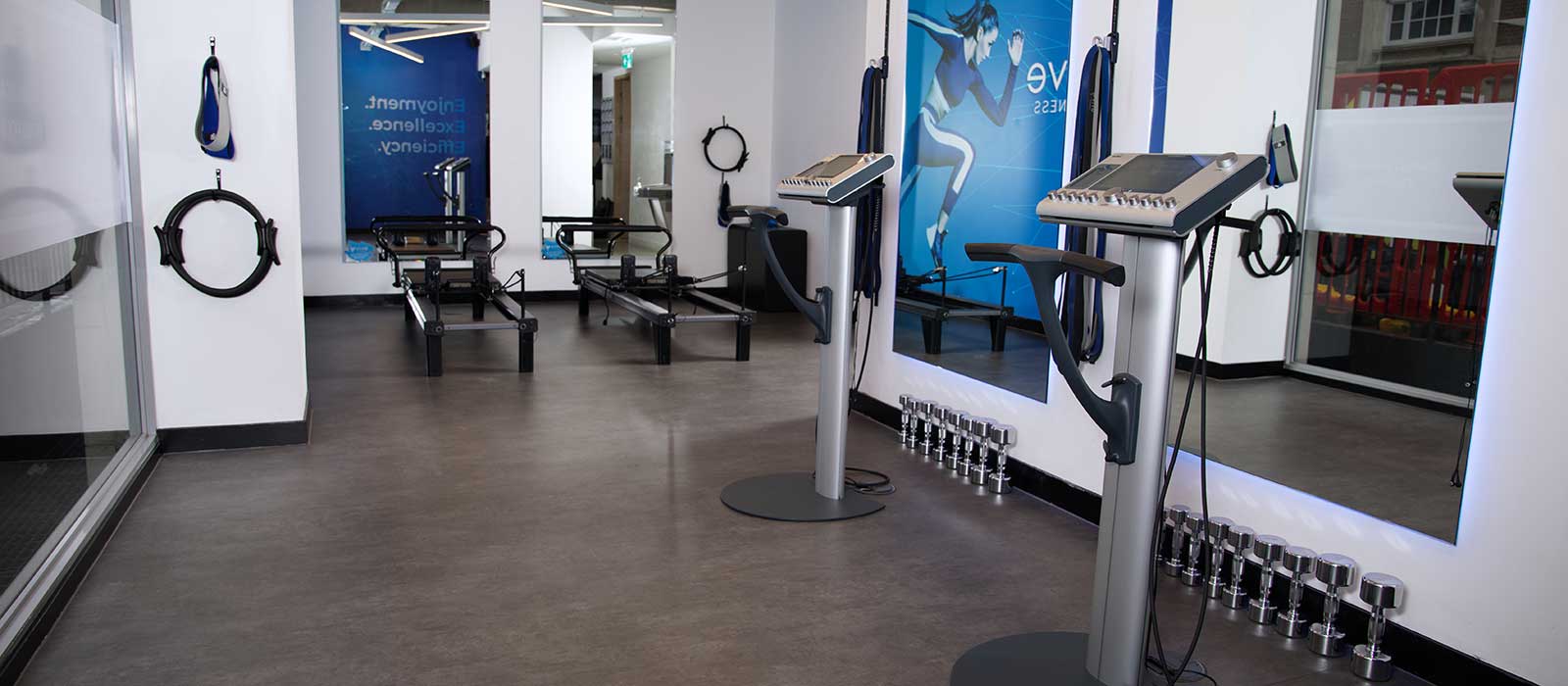
For those seeking the quickest alternative, enjoy a full body workout in just 20 minutes with EMS training at Vive Fitness in London. Book a trial session now.
Benefits
You make workouts more efficient and improve functional fitness when you work all muscle groups together. Research shows bodyweight training can increase aerobic capacity by 33%, improve muscle endurance by 11% and boost lower-body power by 6%. The format mimics real-life movements and makes it practical for everyday activities.
20 Minute HIIT Workout
Workout Overview
High-Intensity Interval Training alternates periods of maximum effort with brief recovery windows. This method delivers substantial work without major time commitment. The philosophy centres on pushing your cardiovascular and muscular systems to adapt through repeated stress and recovery cycles.
This particular 20 minute hiit workout features nine exercises performed in circuit fashion. After completing all nine movements, take a one-minute break. Then reverse the order and work backwards through the sequence.
Equipment Needed
Your bodyweight provides sufficient resistance. You can add a weighted vest for increased difficulty.
How to Perform
Start with 40 seconds of work followed by 20 seconds of rest for each exercise. The rest period allows you to breathe, transition to the next movement, and prepare.
Progress through a six-week structure: weeks 1-2 use 40/20 intervals, and weeks 3-4 move to 45/15. Weeks 5-6 advance to 50/10. This progression challenges you as your fitness improves.
Perform this programme three to four times weekly. You can do it after strength training or as a standalone session. Maintain the prescribed work time without compromise.
Beginners can modify movements whilst adhering to the interval structure. Lower-impact variations or longer rest periods help build capacity.
Benefits
HIIT burns approximately 13 calories per minute by pushing your heart to maximum rate. Your metabolic rate stays elevated for hours through excess post-exercise oxygen consumption. Research shows VO2max can improve by 9% after just five weeks. Insulin sensitivity increases as muscles become more responsive to glucose.
These findings show that HIIT proves effective for improving cardiovascular health and reducing blood pressure. It also lowers heart disease risk.
Core and Abs Workout
Workout Overview
Your core extends beyond the six-pack muscles. The rectus abdominis, obliques, transverse abdominis, erector spinae, and multifidus work together to stabilise your spine and pelvis. This 20 minute workout targets these muscle groups through varied movement patterns. Training only forward flexion exercises like crunches leaves gaps in core development.
The circuit combines static holds with dynamic movements. Planks build trunk strength. Russian twists and dead bugs challenge rotational stability. This approach prevents the spine overcompensation that occurs when core muscles are weak.
Equipment Needed
None required. Bodyweight provides sufficient resistance for all movements.
How to Perform
You should complete three exercises for 10-15 reps each and perform three rounds total. To cite an instance, pair a hardstyle plank (10-20 second holds) with dead bugs (14 alternating reps) and hollow extension-to-cannonballs (5 reps). Rest 30 seconds between exercises.
Keep your lower back pressed to the floor during supine movements. Squeeze your body during planks and take measured breaths throughout the hold. On alternate days, substitute oblique crunches (20 reps) and reverse crunches (20 reps).
Benefits
Core strength prevents falls and injuries during sports. Strong core muscles boost balance and allow efficient power transfer to your limbs. On top of that, core training can prevent and control lower back pain.
Lower Body Strength Workout
Workout Overview
Leg muscles represent the largest muscle groups in your body. Your glutes serve as the foundation upon which fitness is built. This 20 minute workout emphasises compound movements that target multiple muscles at once. Squats and lunges are the foundations of effective lower body programming, along with hip hinges like deadlifts.
Equipment Needed
A pair of dumbbells is enough for resistance, though bodyweight alone delivers results. You can use a barbell as an alternative for increased loading.
How to Perform
Select three to five exercises per session. Perform 3 sets of 8-12 reps for each movement. Structure your routine by starting with a squat variation and progress to a hip-hinge movement. Finish with single-leg exercises.
Dumbbell squats work glutes and quads. Stand with feet apart and hold weights at your sides. Bend hips and knees. Lower your buttocks about eight inches, then rise to standing. Reverse lunges target quads, glutes, and hamstrings. Step back onto the ball of one foot and bend both knees. Your front knee should align over your ankle. Calf raises strengthen calves. Raise yourself on the balls of your feet and hold onto a chair for balance.
Benefits
Training legs raises testosterone levels when you use compound movements. Your metabolic rate increases and continues for hours after your session. Strong legs reduce injury risk and support balance while enhancing everyday movements like climbing stairs.
Upper Body Workout
Workout Overview
Compound exercises are the foundations of efficient upper body training. Movements like overhead presses and bent-over rows work multiple muscle groups at once. They deliver better results than isolation work. This 20 minute workout alternates between pushing exercises (chest and shoulders) and pulling movements (back and biceps). Opposing muscle groups recover while you continue working.
Arm strength declines by 1% each year from age 35 and reaches 3% per year after 60. Maintaining upper body strength requires consistent effort. Functional exercises prepare you for ground tasks like lifting groceries or hanging curtains. They target arm muscles and also shoulders, rotator cuff, back, and chest.
Equipment Needed
Light dumbbells between 2-5 pounds each suit beginners. Water bottles or cans serve as alternatives. Progress to heavier weights as strength improves.
How to Perform
Perform each movement for 40 seconds. Rest 20 seconds between exercises. You want 8-12 reps per set and should complete three rounds. Start with overhead presses and progress to bent-over rows, then biceps curls. Add push-ups and triceps dips. Rest 30-90 seconds between sets.
Benefits
Strong arms simplify daily activities and improve posture. Strength training raises your resting metabolic rate. You burn more calories even at rest.
AMRAP Workout
Workout Overview
AMRAP stands for “as many repetitions (or rounds) as possible” completed within a set timeframe. The clock pushes you to increase intensity naturally. Unlike HIIT, there aren’t any set rest breaks. You work continuously and only rest when necessary to reset your form or catch your breath.
AMRAP workouts last 5 to 20 minutes. “Rounds” means cycling through a circuit of different exercises as many times as possible, whilst “reps” involves doing maximum repetitions of one exercise within set intervals. To name just one example, a round might include five burpees, ten leg lifts and fifteen push-ups.
Equipment Needed
Bodyweight alone is enough, though you can add kettlebells, exercise bands or weights for variety.
How to Perform
Work for the full 20 minutes and ascend a rising rep ladder. Perform one rep of each movement (reverse lunge, burpee, push-up), then return to the first exercise with two reps each, then three reps and continue upward. Rest as necessary to maintain form, but push yourself.
Benefits
Six weeks of AMRAP training substantially increased cardiovascular endurance by 2%. Research reveals functional training using AMRAP results in substantial muscle strength increases, especially in your legs. More, competition with yourself boosts motivation and mental health.
Tabata Interval Training
Workout Overview
Dr. Izumi Tabata, a Japanese speed skating coach, created this protocol while researching the quickest way to boost his Olympic team’s performance. Each Tabata round has eight intervals: 20 seconds of all-out effort followed by 10 seconds of rest. This totals four minutes per round. A 20 minute workout has five different exercises, and each one is performed as a separate four-minute Tabata with one-minute recovery between rounds.
The intensity requirement distinguishes Tabata from standard HIIT. Your heart rate must spike to 90-92% of maximum. You need to give your full effort during work intervals. This makes Tabata more challenging than traditional HIIT, which operates at 75-80% maximum heart rate.
Equipment Needed
Bodyweight alone is enough. You can add resistance bands, light dumbbells, kettlebells, or a jump rope for variation. The simplicity makes Tabata available anywhere.
How to Perform
Select five movements such as high knees, burpees, mountain climbers and squat jumps. Execute each exercise at maximum intensity for 20 seconds, rest 10 seconds, then repeat for eight rounds. Rest one minute before starting the next movement. Maintain proper form despite fatigue to prevent injury.
Benefits
Research shows aerobic capacity increases by 9-15% while anaerobic capacity improves 28%. You’ll burn 240-360 calories during a 20 minute session. The excess post-exercise oxygen consumption effect continues burning calories for 16-24 hours afterwards.
Cardio Blast Workout
Workout Overview
Thirty-second work intervals create a quick cardio format that raises your heart rate fast without extended time commitment. This approach works well in hotel rooms or limited spaces. You run through exercises in rapid succession and complete the entire set three times within 20 minutes.
Cardio training operates at about 70% of your maximum heart rate, calculated as 220 minus your age. Structured HIIT protocols demand near-maximal effort. This cardio blast maintains steady intensity throughout and makes it available yet works.
Equipment Needed
A set of 3, 5, or 8 pound dumbbells depending on your strength level. You can also perform the routine without weights.
How to Perform
Execute each exercise for 30 seconds and transition right away to the next movement. Complete the full circuit, rest a bit, then repeat for three total rounds. Finish with stretching and cooling down.
Select movements like jumping jacks, burpees, and mountain climbers. Maintain consistent intensity rather than coasting through work periods.
Benefits
Regular cardio decreases resting blood pressure and heart rate. Your heart pumps blood better and requires less effort during daily activities. Aerobic exercise protects your brain and may reduce dementia risk whatever age. Better circulation guides to clearer skin, and improved sleep quality results from raised endorphins. Your immune system strengthens through better blood and oxygen flow.
Dumbbell Total Body Workout
Workout Overview
Dumbbells deliver mechanic overload through muscle damage and metabolic overload by working muscles to fatigue. This stimulates growth through different pathways. This 20 minute workout uses an AMRAP format where dumbbells stay in your hands throughout and keep tension constant. The structure involves four compound movements performed in sequence for maximum rounds within the timeframe.
Equipment Needed
One or two sets of dumbbells between 3-5 pounds for beginners. Experienced lifters may use 15-20 pounds. Adjustable dumbbells allow progression without cluttering space.
How to Perform
Complete 10 push-ups, 10 renegade rows per side, 10 thrusters, and 10 bent-over rows. Repeat this circuit as many times as possible in 20 minutes. Choose weight that feels challenging by your twelfth repetition. Lower your chest during push-ups and maintain square hips during rows, then stand and clean weights to shoulders for thrusters. Drive from the squat into an overhead press, then hinge forward for bent-over rows.
Perform this routine two to three times weekly. Allow 48-96 hours between sessions to recover muscles.
Benefits
Dumbbells create intermuscular coordination between different muscles and intramuscular coordination within specific muscles. They benefit the contractile proteins responsible for strength and the elastic connective tissue that stores mechanical energy. Unilateral training corrects imbalances by focusing on one limb at a time.
Yoga Flow for Busy People
Workout Overview
Yoga started as a meditative practice centered on pranayama (controlled breathing). It has evolved into a physical discipline available if you have a busy schedule. This 20 minute vinyasa flow targets all levels, especially beginners who want a home-based routine. The sequence moves through foundational poses: Child’s Pose, Downward-Facing Dog, Plank, Cobra, Standing Forward Bend, Chair Pose, Low Lunge, Warrior 2, and Side Plank.
Equipment Needed
A yoga mat provides comfort. Otherwise, clear floor space is enough.
How to Perform
Start in Child’s Pose and transition to hands and knees for Cat-Cow movements. Flow into Downward-Facing Dog and hold for one minute. Pedal your legs to warm the hamstrings. Move between Down Dog and Plank with breath: inhale into Plank, exhale back to Down Dog. Progress through Standing Forward Bend, Chair Pose, and Low Lunge variations. Add Warrior 2 on both sides and hold five breaths each.
Spread your fingers wide during arm balances. Root through the knuckles and maintain lifted engagement. Do not rush; approach each pose with mindfulness.
Benefits
Research with sedentary individuals showed eight weeks of yoga (twice a week, 180 minutes total) increased muscle strength, endurance, flexibility, and cardio-respiratory fitness. Yoga soothes tension while lowering blood pressure if you have hypertension. Inner awareness develops and helps you recognize hunger cues and bodily sensations beyond the mat.
Stair Climbing Workout
Workout Overview
Stairs exist everywhere, from your home to office buildings and public spaces. This accessibility makes stair climbing one of the most practical forms of exercise. Unlike gym equipment requiring memberships, stairs provide a no-cost workout chance. Research shows climbing just a couple of flights positively affects cognitive abilities like problem-solving and memory. Stair climbing works as an ‘exercise snack’, brief periods of vigorous activity lasting one minute or less performed throughout the day. A workplace study found that 71% of employees preferred several small stair-climbing sessions over one intense session.
Equipment Needed
A staircase with at least eight flights, or about 50 stairs. Comfortable running or walking shoes are enough, and moisture-wicking clothing helps manage body heat.
How to Perform
Walk slowly up eight flights and down. Repeat this twice or thrice. After 2-3 weeks, increase to three sessions weekly for 20 minutes each. Progress by marching up and jogging down, then take two steps at a time every third trip. Walking up 400 steps during the day increases endurance and gives you a 17% bump in VO2 max.
Benefits
Stair climbing increases heart rate and oxygen consumption more than fast walking because you’re working against gravity. So it improves balance and reduces fall risk for older people. The exercise strengthens hips and corrects common muscle imbalances throughout your body.
Kettlebell Circuit
Workout Overview
Kettlebells pack full-body conditioning into compact sessions. The offset weight distribution challenges stabilizers and coordination differently than barbells or dumbbells. One kettlebell delivers strength gains, raised heart rate and core training without spending hours exercising. The versatility spans ballistic moves like swings and cleans to controlled movements such as presses and carries.
Circuit formats use 40 seconds work followed by 20 seconds rest, repeated for three rounds. Alternatively, execute each exercise for 30 seconds with brief transitions between movements.
Equipment Needed
A single kettlebell is enough. Beginners should select weight they can push-press overhead for 10 reps. Start light and focus on proper form before progressing to heavier bells.
How to Perform
Complete kettlebell swings, deadlifts, clean and press, and reverse lunges in sequence. Maintain a flat back during hinges while keeping your chest lifted. Power comes from hip extension and glute contraction when you swing, not arm strength. Pull the kettlebell up your body into rack position before pressing overhead when you clean.
Benefits
Kettlebell training builds full-body strength and endurance. Your heart rate raises quickly for cardio and conditioning. Dynamic movements improve mobility and joint stability. The offset load fires up your core in nearly every exercise. Kettlebells support fat loss by recruiting multiple muscle groups at once and increasing calories burned at rest.
Beginner-Friendly Workout
Workout Overview
You might feel intimidated when you start an exercise regime, especially when you have to work out in public gym environments. Bodyweight training at home removes these barriers and builds foundational strength. This 20 minute workout uses simple movements your body performs naturally. You won’t face the learning curve that comes with gym equipment. You’ll develop the mind-muscle connection that you need before you progress to weighted exercises.
The routine combines ten fundamental exercises. These include bridges, chair squats, knee push-ups, stationary lunges, planks, bird dogs and bicycle crunches. Each movement targets multiple muscle groups and teaches proper form.
Equipment Needed
You don’t need anything. Your bodyweight provides enough resistance.
How to Perform
Complete 2 sets of 10-15 reps per exercise. Rest 30 seconds to 1 minute between movements. The full circuit takes 15-20 minutes. You can also use timed intervals: 45 seconds work and 15 seconds rest. Execute each rep correctly instead of rushing through. Start light. Increase difficulty as your body adapts.
Benefits
Bodyweight exercises carry lower injury risk compared to equipment-based training. They support fuller range of motion and teach proper movement patterns. You need three months of regular practice to form consistent habits. This foundation prepares you for more demanding programmes and improves daily function.
Running Interval Workout
Workout Overview
Interval running alternates between specific paces for set periods with recovery breaks in between. High-intensity interval training can make you faster, increase power, and boost your VO2 max. Fartlek, translating to “speed play” in Swedish, alternates between running at various speeds over a given duration or distance. Interval running improves your fitness levels quicker than any other type of running when done right.
Equipment Needed
Running shoes and a stopwatch are enough. You can use a track or treadmill for accurate distance measurement.
How to Perform
Jog for 5 minutes to warm up. Run at your all-out effort for 30 seconds, then rest or walk at recovery pace for 30 seconds. Repeat 8-10 times and finish with a 5-minute cool down. For fartlek training, warm up by running at your normal training pace for 3 minutes. Run eight sets of 90 seconds hard running with 30 seconds easy in between, and cool down with 1 minute of easy running.
Benefits
HIIT burns up to 30 percent more calories than other workouts. Intervals also consume more calories after your workout through excess post-exercise oxygen consumption.
Indoor Cycling Workout
Workout Overview
Stationary bikes deliver interval training without joint stress. A 20 minute workout alternates between baseline resistance and harder pushes. This elevates your heart rate while protecting knees and hips. Indoor cycling improves aerobic capacity, which is oxygen intake during high-intensity activity. You also get cardiovascular gains and decreased triglycerides, total cholesterol, and LDL cholesterol. HDL cholesterol increases and blood pressure lowers.
Equipment Needed
An upright or recumbent stationary bike. Recumbent models provide back support, ideal if you have chronic back pain. The seat should line up with your hip height when standing beside the bike.
How to Perform
Warm up for 5 minutes at easy resistance. Increase resistance for 3 minutes, then harder again for 2 minutes. Return to baseline for 3 minutes, push above baseline for 2 minutes, then cool down for 6 minutes. Use Rate of Perceived Exertion (RPE) on a 1-10 scale. A rating of 1 feels effortless and 10 represents maximum effort. Adjust resistance if intervals feel too difficult or easy.
Benefits
Research shows stationary cycling relieves pain and improves function for people with knee osteoarthritis. It decreases fatigue levels among healthy adults. The low-impact nature protects joints and strengthens quadriceps. Running targets hamstrings instead.
Pilates Core Strengthening
Workout Overview
Slow, controlled movements distinguish Pilates from high-intensity training. This 20 minute workout targets deep stabilizing muscles like the transverse abdominis and pelvic floor through precise exercises. Instructors layer moves in sequences and build tension in targeted muscles without prescribed breaks. You’ll work abs, glutes, hips and hamstrings while lying on your back, then transition to your side and all-fours positions.
The session has exercises such as The Hundred, roll-ups, toe taps, corkscrew, single leg stretches and planks. Small pulses finish each series and create intense muscle fatigue. To name just one example, crunches and leg raises conclude with sit-up pulses that challenge your endurance.
Equipment Needed
A yoga mat provides comfort. No other equipment required.
How to Perform
Follow verbal cues and time reps with breath carefully. Breathe into your sides, exhale while drawing your belly button towards your spine. This breathing pattern involves deep core muscles. Core principles are control, precision, concentration, flow, breath and centering. Add extra breaks when working to failure. Finish with stretches for abs and glutes.
Benefits
Pilates boosts posture, reduces back pain and increases flexibility. Core strength improves function and decreases back and hip pain while supporting pelvic floor health. Balance and gait improve through alignment focus. Research shows Pilates reduces injury risk in sport.
Jump Rope Workout
Workout Overview
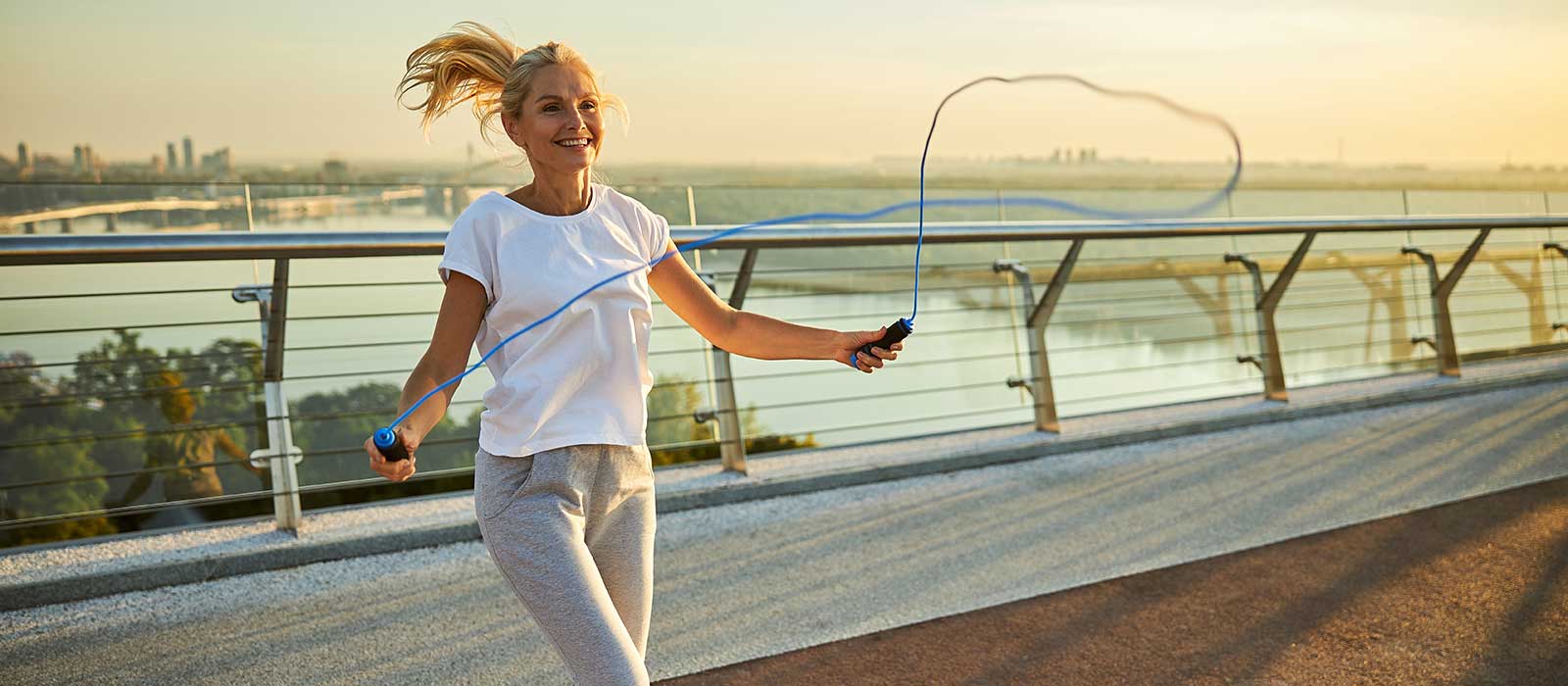
A jump rope delivers cardiovascular training anywhere with minimal equipment. Research shows it increases your metabolic rate 10 to 12 times above resting, as with jogging at 6 to 7 miles per hour. The rate depends on your cadence. This 20 minute workout combines intervals of rope work with bodyweight exercises. To cite an instance, jump for 3 minutes and perform 30 seconds of push-ups. Then return to jumping. The constant jumping strengthens your calves and hamstrings while building your glutes.
Equipment Needed
A jump rope sized to your height. Stand on the middle of your rope with feet together. The ends should reach your armpits. Running shoes provide cushioning you need.
How to Perform
Jump straight up instead of kicking your feet back. Stay light on your feet to maintain rhythm. Your jumps should be 1-2 inches off the ground. Rotate your wrists forward and keep elbows slightly bent at waist height. One effective structure has you jump for 3 minutes and complete 10 air squats with 10 push-ups. Follow this with 10 sit-ups, then jump with high knees for 30 seconds.
Benefits
Jump rope can burn 200 to 300 calories in 15 minutes. It improves coordination and agility while building balance and endurance. The exercise builds strong bones through load-bearing impact.
Resistance Band Workout
Workout Overview
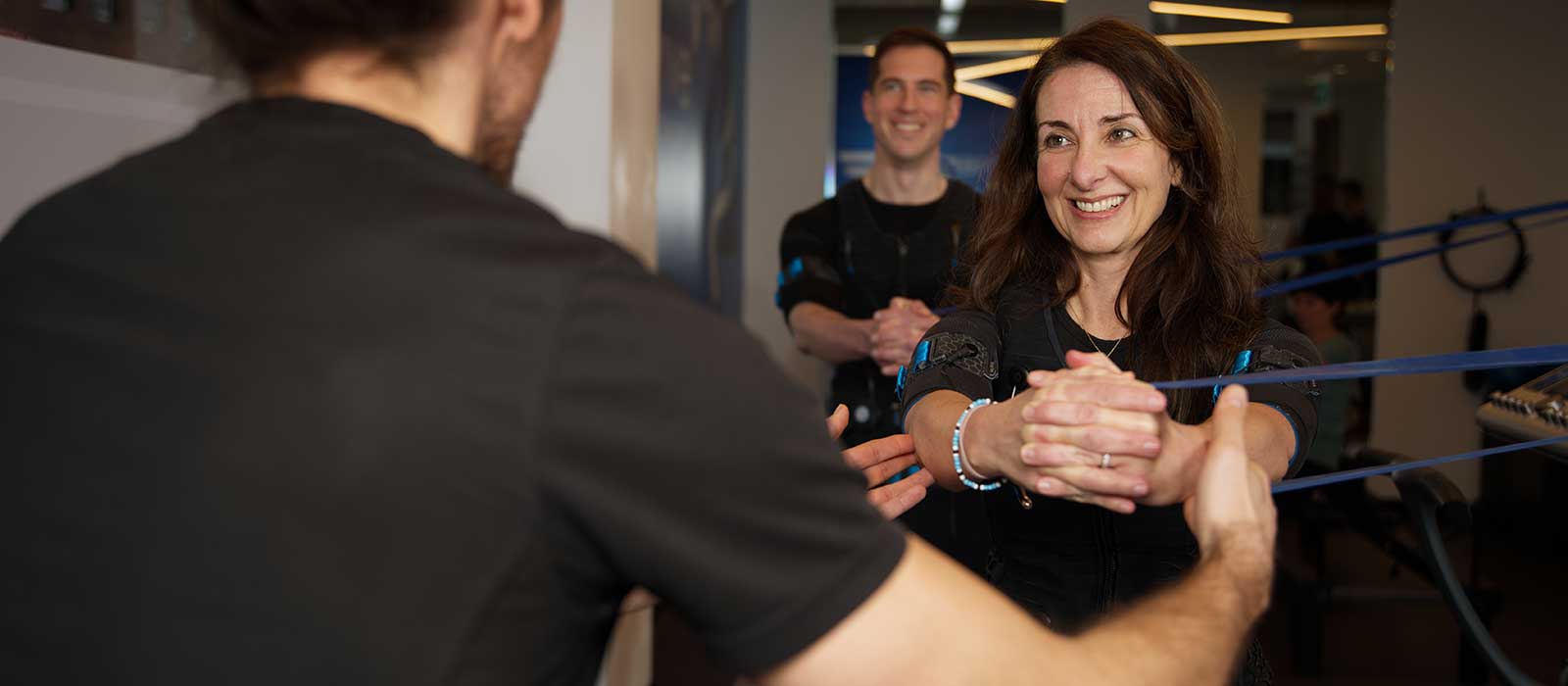
Resistance bands strengthen muscles similar to free weights and machines while offering unique advantages. The force required to stretch elastic bands works muscles through their full range of motion and provides constant and increasing resistance that prevents weaker muscle areas. This 20 minute workout combines upper and lower body movements in circuit format. You perform two sets of 15 repetitions per exercise on at least two days weekly.
Equipment Needed
A set of resistance bands costs around £19.85. Bands come as loop bands or tube bands with handles. Choose varying resistance levels that are colour-coded, with darker bands offering greater tension.
How to Perform
Wrap the band behind your back for chest presses and push forward for one second. Stand on the band for squats and hold ends at shoulders while extending knees. Biceps curls involve stepping on the band and drawing hands upward with palms facing up. Attach bands to doors for rows and pull elbows back near your sides. Clamshells work glutes by looping bands around thighs while lying sideways.
Benefits
Research shows elastic band training triggers strength gains similar to conventional equipment. Bands prevent age-related muscle loss, especially when you have 40-60 minutes of training three times a week for 12 weeks. They protect joints through low-impact movements.
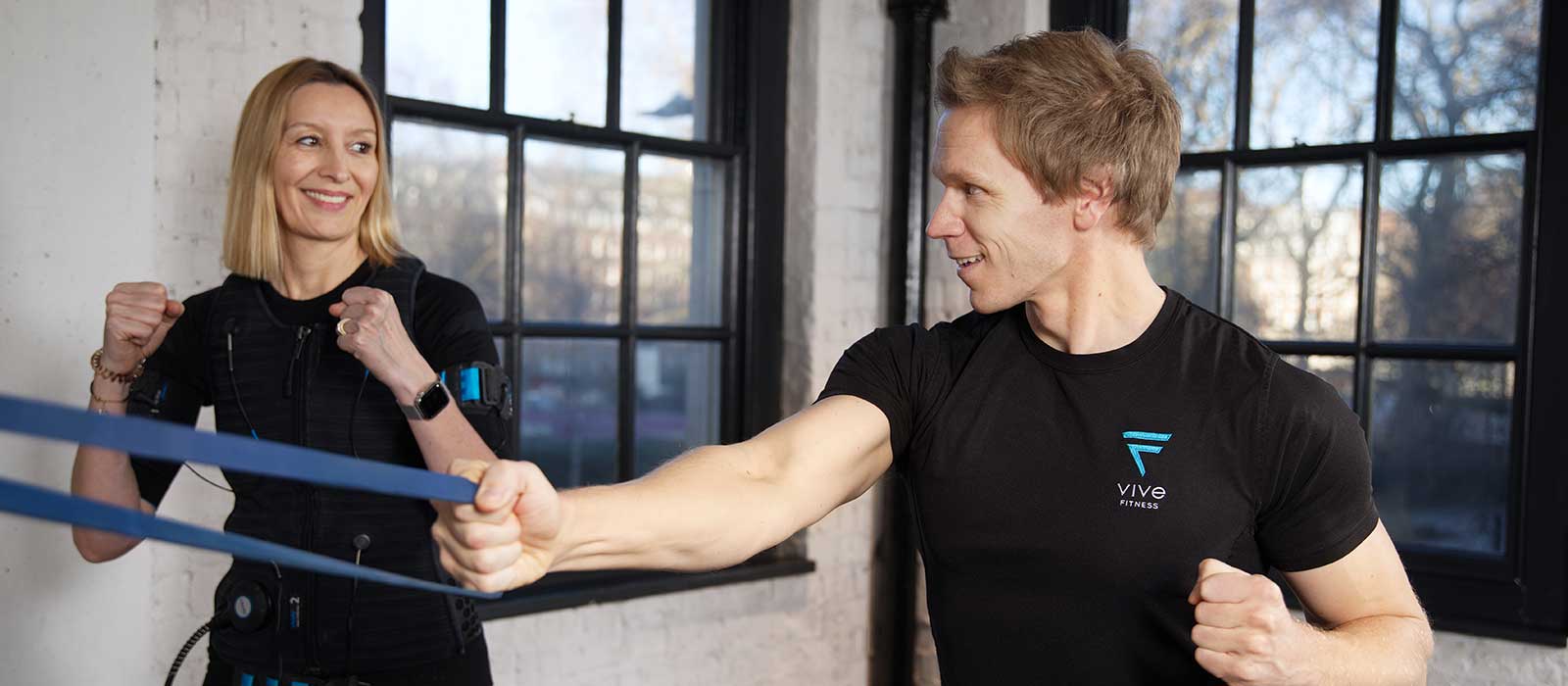
Boxing and Kickboxing Workout
Workout Overview
Kickboxing delivers full-body conditioning through structured rounds. It combines punches, kicks and defensive techniques from boxing and martial arts disciplines. A typical session divides into four periods: warm-up (5-10 minutes of light cardio), skill training (shadow boxing and pad work), conditioning exercises and cool-down with stretches. Training involves 2-minute bouts of specific exercises interspersed with 1-minute rest, repeated across multiple rounds.
Equipment Needed
A heavy boxing bag provides resistance for strikes, though shadowboxing works without equipment. Boxing gloves protect hands, and pads allow partner work for instant feedback. Hand wraps, shin guards and a mouthguard add protection during intensive training.
How to Perform
Become skilled at basic techniques including straight punches (jab, cross), hooks and kicks (roundhouse, front kick, sidekick). Maintain proper stance with hands guarding your face while you practice defensive moves like slipping and blocking. Work through combinations: jab-cross-hook, followed by roundhouse kicks, then knee strikes. Execute 20 seconds of each technique, alternating with bodyweight exercises.
Benefits
Five weeks of kickboxing training improves aerobic power by 13.2% and anaerobic upper-body peak power by 42.4%. Flexibility increases 14.4% through the demanding range of motion required. A 155-pound person burns 372 calories in 30 minutes. The practice also builds confidence, relieves stress through endorphin release and develops self-defense skills.
Workout Overview
Kickboxing delivers full-body conditioning through structured rounds. It combines punches, kicks and defensive techniques from boxing and martial arts disciplines. A typical session divides into four periods: warm-up (5-10 minutes of light cardio), skill training (shadow boxing and pad work), conditioning exercises and cool-down with stretches. Training involves 2-minute bouts of specific exercises interspersed with 1-minute rest, repeated across multiple rounds.
Equipment Needed
A heavy boxing bag provides resistance for strikes, though shadowboxing works without equipment. Boxing gloves protect hands, and pads allow partner work for instant feedback. Hand wraps, shin guards and a mouthguard add protection during intensive training.
How to Perform
Become skilled at basic techniques including straight punches (jab, cross), hooks and kicks (roundhouse, front kick, sidekick). Maintain proper stance with hands guarding your face while you practice defensive moves like slipping and blocking. Work through combinations: jab-cross-hook, followed by roundhouse kicks, then knee strikes. Execute 20 seconds of each technique, alternating with bodyweight exercises.
Benefits
Five weeks of kickboxing training improves aerobic power by 13.2% and anaerobic upper-body peak power by 42.4%. Flexibility increases 14.4% through the demanding range of motion required. A 155-pound person burns 372 calories in 30 minutes. The practice also builds confidence, relieves stress through endorphin release and develops self-defense skills.
Benefits
A lack of time no longer serves as a valid excuse to skip exercise. These 20 minute workout options remove common barriers: cost, equipment, space, and expertise. You can train at home before breakfast, during lunch breaks, or between meetings. No gym commutes will consume your precious minutes.
Consistency matters more than duration. Complete a 20 minute workout five times weekly and you’ll see better results than sporadic hour-long sessions. Your body responds to regular stimulus and adapts through repeated exposure. Shorter workouts reduce mental resistance. You’ll find it easier to start rather than procrastinate due to perceived time commitment.
The variety presented prevents monotony. Rotate between strength, cardio, and flexibility training to keep your muscles challenged while you maintain mental engagement. You’re not locked into repetitive routines that breed boredom and eventual abandonment.
These workouts scale to your current fitness level. Beginners can modify intensity while advanced athletes increase resistance, speed, or complexity. The adaptability will give you progression without requiring new equipment or program changes.
Location flexibility means travel, weather, or closed facilities never interrupt your routine. Hotel rooms, offices, parks, and living rooms all accommodate these formats. This accessibility supports long-term adherence, the most critical factor in achieving fitness goals.
Comparison Table
Comparison Table: 20 Minute Workout Routines
| Workout Name | Equipment Needed | Work/Rest Intervals | Duration/Sets | Key Benefits |
| Full-Body Bodyweight Workout | None (mat optional) | 40 seconds work / 20 seconds rest | 3 circuits | Boosts aerobic capacity by 33%, improves muscle endurance by 11% and lower-body power by 6% |
| 20 Minute HIIT Workout | Bodyweight (weighted vest optional) | 40/20 (weeks 1-2), 45/15 (weeks 3-4), 50/10 (weeks 5-6) | 3-4 times per week | Burns 13 calories per minute, improves VO2max by 9% in 5 weeks and increases insulin sensitivity |
| Core and Abs Workout | None | Not mentioned | 3 rounds of 3 exercises (10-15 reps), 30 seconds rest between exercises | Prevents falls and injuries, boosts balance and prevents lower back pain |
| Lower Body Strength Workout | Dumbbells or barbell (bodyweight optional) | Not mentioned | 3 sets of 8-12 reps per exercise | Raises testosterone levels, increases metabolic rate, reduces injury risk and supports balance |
| Upper Body Workout | Light dumbbells (2-5 pounds) | 40 seconds work / 20 seconds rest | 3 rounds, 8-12 reps per set, 30-90 seconds rest between sets | Makes daily activities simpler, improves posture and raises resting metabolic rate |
| AMRAP Workout | Bodyweight (kettlebells, bands, or weights optional) | Continuous work with rest as needed | 20 minutes (ascending rep ladder) | Boosts cardiovascular endurance by 2% and creates substantial muscle strength increases in legs |
| Tabata Interval Training | Bodyweight (bands, dumbbells, kettlebells, or jump rope optional) | 20 seconds work / 10 seconds rest | 8 intervals per exercise, 5 exercises, 1 minute rest between rounds | Boosts aerobic capacity by 9-15%, improves anaerobic capacity by 28% and burns 240-360 calories |
| Cardio Blast Workout | Dumbbells (3, 5, or 8 pounds) or bodyweight | 30 seconds per exercise | 3 rounds | Decreases resting blood pressure and heart rate, protects brain, may reduce dementia risk and improves sleep quality |
| Dumbbell Total Body Workout | Dumbbells (3-5 pounds for beginners, 15-20 pounds for experienced) | AMRAP format (continuous) | As many rounds as possible in 20 minutes | Creates intermuscular and intramuscular coordination while benefiting contractile proteins and elastic connective tissue |
| Yoga Flow for Busy People | Yoga mat (floor space sufficient) | Not mentioned | 20 minutes | Boosts muscle strength, endurance and flexibility while improving cardio-respiratory fitness and lowering blood pressure |
| Stair Climbing Workout | Staircase (8 flights or 50 stairs), comfortable shoes | Not mentioned | 2-3 times per week, 20 minutes each | Boosts VO2 max by 17%, improves balance, reduces fall risk and strengthens hips |
| Kettlebell Circuit | Single kettlebell | 40 seconds work / 20 seconds rest (or 30 seconds per exercise) | 3 rounds | Builds full-body strength and endurance, improves mobility and joint stability while supporting fat loss |
| Beginner-Friendly Workout | None (bodyweight) | 45 seconds work / 15 seconds rest (or timed intervals) | 2 sets of 10-15 reps, 30 seconds to 1 minute rest | Lower injury risk, supports fuller range of motion and teaches proper movement patterns |
| Running Interval Workout | Running shoes, stopwatch | 30 seconds all-out / 30 seconds recovery | 8-10 repetitions (or 8 sets of 90 seconds hard / 30 seconds easy) | Burns 30% more calories than other workouts and increases calorie burn after workout through EPOC |
| Indoor Cycling Workout | Stationary bike (upright or recumbent) | Varied resistance intervals | 5 min warm-up, 3 min increased, 2 min harder, 3 min baseline, 2 min above baseline, 6 min cool-down | Relieves pain and improves function for knee osteoarthritis, decreases fatigue and protects joints |
| Pilates Core Strengthening | Yoga mat | Not mentioned | 20 minutes (no prescribed breaks) | Boosts posture, reduces back pain, increases flexibility and improves balance while reducing injury risk |
| Jump Rope Workout | Jump rope, running shoes | 3 minutes jumping / 30 seconds bodyweight exercises | Not mentioned | Burns 200-300 calories in 15 minutes while improving coordination, agility, balance and endurance |
| Resistance Band Workout | Resistance bands (around £19.85) | Not mentioned | 2 sets of 15 reps per exercise, at least 2 days per week | Triggers strength gains like conventional equipment, prevents age-related muscle loss and protects joints |
| Boxing and Kickboxing Workout | Heavy bag, boxing gloves, pads (shadowboxing requires none) | 2 minutes work / 1 minute rest (or 20 seconds per technique) | Multiple rounds | Improves aerobic power by 13.2%, increases anaerobic upper-body peak power by 42.4% and flexibility by 14.4% |
Full body workout in just 20 minutes with EMS training at Vive Fitness
You now have 20 proven workout formats ready to slot into your schedule. Pick one routine that matches your current fitness level and available equipment, then commit to it for at least two weeks before switching. Consistency beats perfection every time. You can also enjoy a full body workout in just 20 minutes with EMS training at Vive Fitness in London and book a trial session now for the quickest way. Your body doesn’t need lengthy gym sessions to transform; it needs regular stimulus. These routines prove that time constraints needn’t derail your fitness progress. Start tomorrow morning with whichever workout appeals most and watch how quickly 20 minutes becomes your favourite part of the day.
FAQs
Q1. Can 20 minute workouts really be effective for fitness? Yes, 20 minute workouts can deliver measurable results when performed consistently. Research demonstrates that even workouts lasting less than 10 minutes can benefit your health. A 20 minute session provides sufficient time to elevate your heart rate, strengthen muscles, and improve cardiovascular fitness. The key lies in maintaining proper intensity and focusing on compound movements that engage multiple muscle groups simultaneously. Regular short workouts often prove more effective than sporadic longer sessions because consistency matters more than duration.
Q2. How often should I do 20 minute workouts each week? For optimal results, aim to complete 20 minute workouts three to five times weekly, depending on the intensity and type of exercise. High-intensity interval training (HIIT) and Tabata workouts typically require 48-96 hours recovery between sessions, making three times weekly appropriate. Lower-intensity options like yoga, Pilates, or moderate cardio can be performed more frequently, up to five or six days per week. Allow your body adequate recovery time, particularly after strength-focused sessions, to prevent overtraining and support muscle adaptation.
Q3. Do I need special equipment for 20 minute workouts? Most 20 minute workouts require minimal or no equipment. Bodyweight exercises, HIIT routines, core workouts, and yoga flows need only floor space and optionally a mat for comfort. Some programmes benefit from basic equipment like dumbbells (3-20 pounds depending on fitness level), resistance bands (approximately £20), a jump rope, or a kettlebell. The beauty of these routines lies in their accessibility—you can perform effective workouts at home, in hotel rooms, or outdoors without expensive gym memberships or elaborate equipment.
Q4. What’s the difference between HIIT, Tabata, and AMRAP workouts? HIIT (High-Intensity Interval Training) alternates maximum effort periods with brief recovery windows, typically operating at 75-80% maximum heart rate. Tabata represents a specific HIIT protocol featuring 20 seconds of all-out effort followed by 10 seconds rest, repeated eight times, requiring 90-92% maximum heart rate. AMRAP stands for “as many repetitions (or rounds) as possible” within a set timeframe, with no prescribed rest breaks—you work continuously and only rest when necessary to maintain proper form. Each format delivers cardiovascular and strength benefits through different intensity structures.
Q5. Can beginners safely start with 20 minute workouts? Absolutely. Many 20 minute workout formats specifically accommodate beginners through modified movements and adjustable intensity levels. Beginner-friendly bodyweight routines, gentle yoga flows, and basic resistance band exercises provide excellent starting points with lower injury risk. Focus on mastering proper form before increasing speed or resistance. Start with longer rest periods (30-60 seconds between exercises) and fewer repetitions, gradually progressing as your fitness improves. Building consistent habits over three months proves more important than initial intensity, so choose workouts that feel challenging yet manageable.